
Hands-Free Living, Designed Around Your Voice

Today we’re exploring voice-first smart home design for hands-free daily control—how to make everyday actions flow from natural speech, not screens. You’ll learn practical layout choices, conversation patterns, privacy safeguards, and reliability tricks, plus real anecdotes and checklists, so your home responds kindly, quickly, and securely. Share your questions as you read, and we’ll refine examples in future updates.

Conversational Foundations That Feel Effortless

Wake Words and Prompt Crafting

Consistency beats cleverness. Choose a wake word that is distinct amid kitchen clatter and television dialog, then craft prompts that begin with strong verbs and clear targets. Replace “Could you maybe” with “Turn kitchen lights to warm fifty percent.” Offer contextual hints after success, like suggesting related actions. Over time, these micro-patterns create confidence and rhythm, especially during hectic mornings or late-night routines.

Graceful Errors, Confirmations, and Clarifications

Mistakes happen, but frustration is optional. Design for quick, humble clarifications: “I heard dining room fan. Did you mean kitchen fan?” Use brief confirmations for impactful actions, like unlocking doors or opening garages. Offer one actionable next step instead of a long help menu. Keep retry paths short, and remember that tone matters—warm brevity calms users and encourages continued trust after a misheard request.

Blending Voice with Subtle Visual and Haptic Feedback

Voice leads, but gentle signals close the loop. Soft LED rings, a brief chime, or a short vibration from a companion wearable can confirm success without shouting. Use color to encode states—amber for pending, green for done—avoiding sensory overload. Keep feedback localized to the relevant room, minimizing household noise. This balance preserves hands-free flow while reassuring users that the system truly understood.

Microphone Placement Beats Raw Specs

A premium mic in the wrong spot underperforms a modest mic placed wisely. Keep microphones above splash zones and away from whirring appliances. Angle arrays toward speaking zones—kitchen islands, reading chairs, entryways. Avoid corners that amplify bass and confuse echo cancellation. Test with real family chatter and clanging cutlery. Map dead spots on a simple sketch, then reposition incrementally until commands land reliably and calmly.

Network Backbone, Hubs, and Latency

Voice feels magical only when replies are immediate. Prioritize wired backhaul where possible, deploy quality access points, and isolate IoT devices on a secured VLAN. Choose hubs that support local protocols to cut cloud round-trips. Monitor latency during peak evening streaming, not just lab conditions. A few milliseconds saved turns hesitant pauses into natural flow. If you love metrics, share them and compare with our reference benchmarks.

Switches, Plugs, and Built-Ins Over Fragile Bulbs

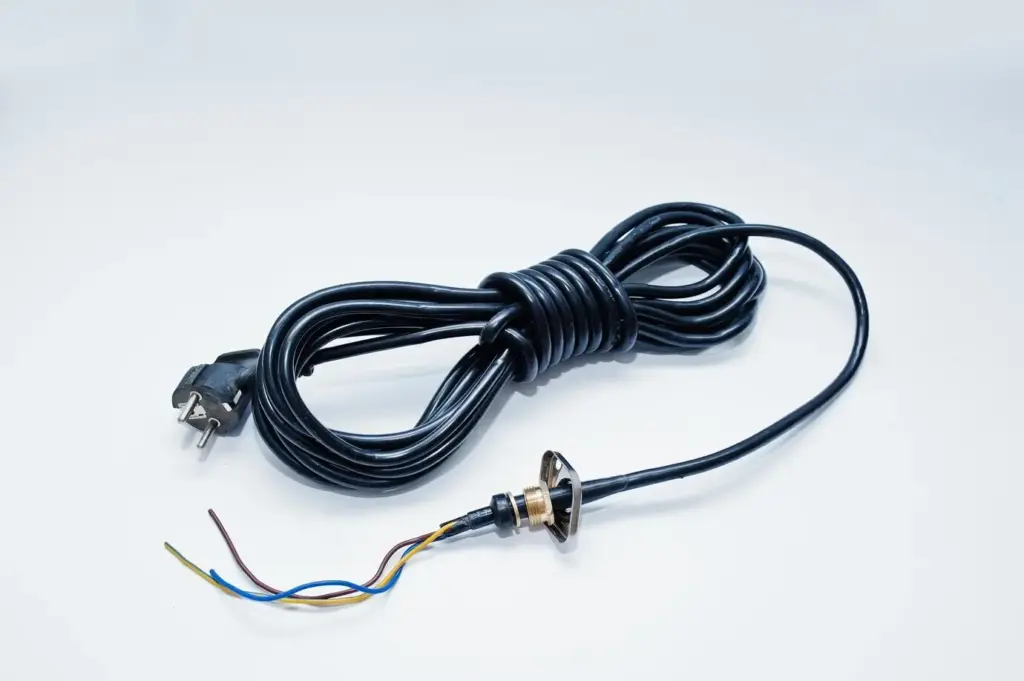
For reliability, control power at the circuit or switch rather than relying solely on smart bulbs. Hardwired relays, in-wall dimmers, and smart plugs survive curious guests flipping manual switches. When bulbs are required, pair them with lockout plates or clear labeling. The goal is predictable behavior regardless of who speaks or presses. Start with mission-critical rooms—entry, kitchen, bedroom—and expand once the backbone proves rock solid.

Hardware Layout and Acoustics That Hear You the First Time

Hardware strategy is voice strategy. Far-field microphones thrive when placed away from reflective surfaces, noisy vents, and competing speakers. Carpet softens echoes; heavy curtains tame reverberation; directional arrays reduce false activations. A robust network backbone lowers latency and prevents clipped responses. Think of your home’s acoustics as part of the interface, shaping accuracy and comfort. Share your floor plan challenges, and we’ll suggest practical placements.

Routines That Anticipate Your Day

Voice choreography shines when routines sync with real life. Blend schedules, sensors, and presence data, then let speech act as the gentle conductor rather than the entire orchestra. Morning lights can rise as coffee brews; evening scenes can settle rooms before anyone asks. Design opt-outs for surprises, and always allow quick overrides. Share your favorite moments that deserve automation, and we’ll curate community-tested patterns.

Mornings That Start Before You Ask

Ease into the day with progressive brightness, pre-warmed bathrooms, and a news briefing only on weekdays. If a motion sensor sees early risers, shift timing forward; if the house sleeps in, delay. Keep one concise voice command as a global cancel for deviations. Reserve special weekend lighting that feels celebratory without blinding sleepy eyes. The best routines feel considerate, not bossy, especially before coffee works its magic.

Context Awareness From Sensors and Presence

Let the home notice, then help. Door sensors can nudge outdoor lights on rainy evenings; occupancy in the office can quiet the living room speakers. Use geofencing to preheat just before arrival, not hours earlier. Avoid creepiness by offering clear explanations and effortless opt-outs. When the system acts, provide a short spoken rationale, building trust. Share your sensor inventory, and we’ll suggest layered, respectful automations that adapt gracefully.

Energy-Saving Automations That Respect Comfort

Sustainability and ease can coexist. Tie HVAC setbacks to open-window detection and actual presence, not arbitrary schedules. Let shades track sun position, easing cooling loads while preserving natural light for reading. Offer a single voice summary—usage, savings, comfort notes—once a week. Start small, measure impact, then add sophistication. We’d love to feature your savings wins and lessons learned, helping others balance efficiency with everyday coziness and convenience.

Privacy, Consent, and Security by Design

Trust is not a feature; it is the foundation. Favor on-device processing, limit retention, and make muting unmistakable with clear lights and audible cues. Provide role-based permissions for sensitive actions and keep audit logs understandable. Encrypt data in transit and at rest, and document what is collected in plain language. Tell us which safeguards matter most to your household, and we will prioritize deeper guides.

01

On-Device Processing and Data Minimization

Reduce exposure by keeping wake word detection and common intents local. Store only necessary summaries, trimmed of identifiers. Rotate keys, anonymize learning signals, and default to deletion timelines users can actually understand. When cloud services help, disclose exact benefits and trade-offs. Offer a physical privacy switch that is unambiguous. Strong defaults mean fewer settings to fail, less worry in busy moments, and confidence that scales with new features.

02

Profiles, Permissions, and Household Rules

Not every voice should unlock doors or buy groceries. Implement profiles tied to voiceprints where permissible, and map actions to roles—adult, teen, guest. Require spoken confirmations for risky tasks, and set spending caps by account. Publish house rules on a shared sheet or display. Clarity prevents arguments later. Invite feedback from all ages, so controls match real habits, not assumptions. Revisit rules during seasonal changes or travel.

03

Transparent Logs and a One-Tap Privacy Pause

Visibility calms concerns. Provide readable logs that summarize what was heard, which device acted, and why it decided. Offer a single, unmistakable command or hardware button to pause all listening, with a bright indicator. Combine that with periodic reminders about current privacy mode. Encourage families to review logs together monthly, refining triggers and clearing misfires. Share which transparency features matter most, guiding future enhancements everyone benefits from.

Inclusive Experiences for Every Voice
Voice-first design should welcome every accent, ability, and age. Prioritize clarity over speed, reduce memory burdens, and provide parallel pathways for those who prefer touch or switches. Test with children, older adults, and non-native speakers. Offer multilingual support that feels respectful rather than novelty. We invite your stories about accessibility wins and challenges, so our community can build homes that truly listen without bias or friction.

Designing for Motor, Visual, and Cognitive Differences

Simplify command structures to reduce recall, and avoid complex nesting. Provide slow-mode responses that wait longer before timeouts. Announce state changes verbally for users with low vision, and design large, tactile fallback switches. Reduce background noise during critical confirmations. Use consistent phrasing across rooms, minimizing relearning. Invite direct feedback from users with disabilities, compensating with real fixes, not workarounds. Inclusive choices benefit every guest and family member daily.

Multilingual Support and Accent Adaptation

Train models with diverse accents and code-switching patterns common in bilingual homes. Allow per-room language preferences and quick voice commands to switch languages mid-conversation. Provide phonetic name customization for devices and scenes. Encourage the household to record brief pronunciation samples to improve recognition fairly. Celebrate linguistic diversity in prompts and examples. Share your language mix, and we’ll propose naming conventions and cues that reduce errors without flattening identity.

Reliability When the Internet or Power Misbehaves

{{SECTION_SUBTITLE}}

Local Scenes and Offline Understanding

Keep essential commands onboard: lights, locks, thermostats, and alarms should respond even when the internet naps. Cache voice models for common intents and store a rolling set of device states locally. If full understanding is impossible, degrade gracefully with helpful suggestions. Provide a brief spoken status—“Running offline”—so users know what to expect. This approach preserves dignity and control, preventing frantic scrambling during storms or provider outages.

Redundancy, Physical Fallbacks, and Battery Backups
Layer redundancy like safety nets. Maintain manual switches for every critical circuit, keep a spare hub preconfigured, and power networking gear with an uninterruptible supply. Test emergency scenes quarterly with a short checklist. Avoid single points of failure in garages and entryways. Document recovery steps where everyone can find them. Share photos of your resilient setups, and we’ll trade templates that turn best intentions into dependable habits.
Xezovenirona
Privacy Overview

This website uses cookies so that we can provide you with the best user experience possible. Cookie information is stored in your browser and performs functions such as recognising you when you return to our website and helping our team to understand which sections of the website you find most interesting and useful.